
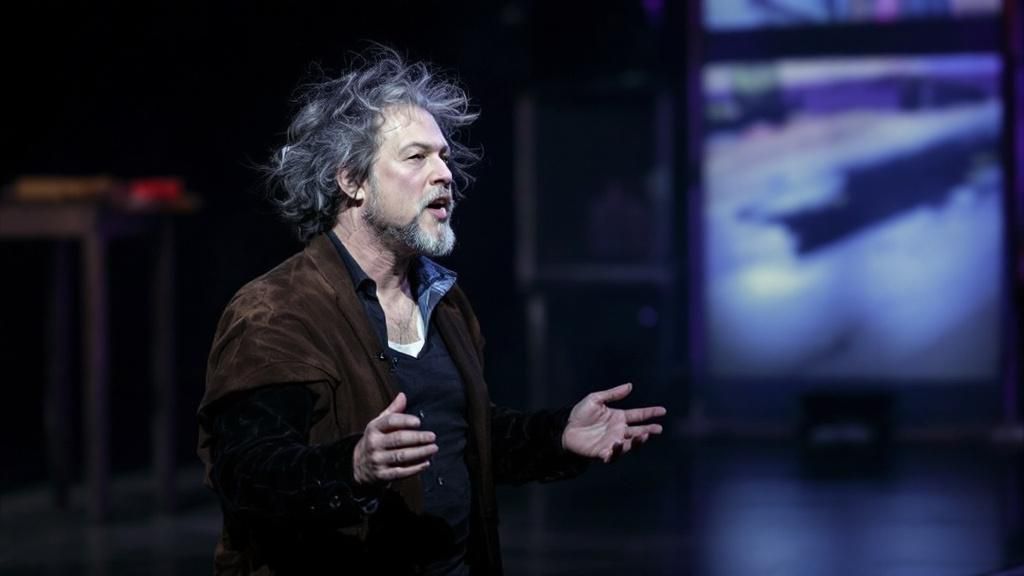
The National Theatre has launched an ambitious new programme designed to democratise access to classical drama throughout the United Kingdom. This innovative initiative aims to bring world-class theatrical productions to communities far outside London’s West End, ensuring that audiences in remote and disadvantaged regions can experience Shakespeare, Chekhov, and contemporary interpretations of classic works. Through inventive travelling productions, virtual mediums, and collaborative partnerships, the theatre is significantly transforming how Britain interacts with dramatic literature, rendering excellent productions an right rather than a privilege.
Making Theatre Accessible to World-Class Theatre
The National Theatre’s programme constitutes a pivotal shift in how classical drama engages viewers across the United Kingdom. By removing distance limitations and cost barriers, the programme ensures that populations in rural areas and financially struggling communities can access productions once exclusive to London’s elite venues. This commitment to inclusivity embodies a core conviction that artistic merit should not be determined by zip code or spending power, but rather distributed equitably across all individuals irrespective of their circumstances.
Through key partnerships with regional theatre venues, educational institutions, and arts bodies in local areas, the National Theatre is establishing long-term routes for interaction with classical works. The scheme covers touring productions, subsidised ticket schemes, and community-led adaptations that promote community involvement and cultural investment. By nurturing these partnerships, the theatre transforms from a London-focused venue into a dispersed system of artistic quality, ensuring that the transformative power of drama becomes genuinely accessible to theatre-goers across the country.
Technological Innovation and Community Partnerships
The National Theatre’s strategy hinges upon cutting-edge digital technology to broaden its audience across the nation. By leveraging streaming platforms and digital theatre experiences, the institution allows real-time access to productions for audiences who cannot visit physically. This digital framework democratises cultural participation, letting people from Cornwall to the Scottish Highlands to access premier productions from home. The initiative also includes engaging online tools, learning resources, and production footage, enhancing audience engagement beyond conventional live theatre and fostering deeper engagement with classical drama.
Equally noteworthy are the collaborative relationships established with regional theatres, council bodies, and grassroots organisations across the United Kingdom. These partnerships guarantee productions connect with audiences from different backgrounds whilst supporting local cultural resources. The National Theatre delivers funding, expertise, and artistic direction to partner venues, building enduring cultural frameworks in regions with limited provision. By collaborating with local institutions rather than enforcing centralised approaches, the initiative acknowledges local distinctiveness whilst maintaining artistic standards. This partnership model converts classical drama into a truly national undertaking, rooting theatrical culture in local areas and establishing enduring cultural heritage.
Impact and Future Vision
The initiative’s effect reaches well beyond basic attendance metrics, profoundly changing cultural participation nationwide. Theatre organisations across regions report record engagement figures, with audiences discovering renewed appreciation for classic productions formerly considered inaccessible. Communities that historically lacked performance venues now access live performances, learning sessions, and insider perspectives. This democratisation fosters a more inclusive cultural landscape, motivating younger generations to participate in stage drama as an integral component of their learning and social growth.
Looking ahead, the National Theatre anticipates continued development of this groundbreaking scheme throughout the next ten years. Targeted funding in technological infrastructure will further extend reach, facilitating concurrent transmissions and immediate viewing to recorded performances. Working relationships with educational institutions will incorporate period plays within educational programmes, fostering sustained enthusiasm for stage performance. The initiative represents a pivotal turning point, cementing the concept that remarkable dramatic performances form a fundamental cultural right rather than an exclusive London-based privilege.
As this pioneering programme progresses forward, its success ultimately depends upon continuous investment, public participation, and joint ventures. The National Theatre is dedicated to evaluating effectiveness through viewer input, participation rates, and pedagogical achievements, guaranteeing responsibility and continuous improvement. This innovative scheme marks a profound shift in British cultural values, demonstrating that classical drama belongs to everyone.
